

At its heart, tallow bar soap is a simple, time-honored cleanser crafted from rendered animal fat (most often from beef) combined with lye. This age-old process, known as saponification, creates a hard, long-lasting bar that gently cleanses without stripping your skin of its natural moisture. For centuries, it was a household staple before synthetic detergents became the norm, and now it's making a serious comeback for those seeking natural, minimal-ingredient products that truly work.
Why This Traditional Soap Is Making a Comeback

In a world overflowing with complex skincare formulas and ingredient lists a mile long, there's something incredibly refreshing about getting back to basics. Tallow bar soap is just that—a return to a trusted solution that nourished skin long before modern chemistry came into play. This isn't just a fleeting trend; it's a rediscovery of an effective, sustainable approach to skincare.
The magic is in its chemistry. During saponification, the rendered tallow and lye transform into two things: soap and glycerin. Here’s the key difference: most commercial soaps have this naturally moisturizing glycerin removed to be sold off as a separate, more profitable ingredient. Traditional tallow soap, however, keeps all that skin-loving glycerin right where it belongs. The result is a bar that provides a uniquely hydrating cleanse, making it an absolute game-changer for anyone with dry, sensitive, or easily irritated skin.
For a quick overview of what makes tallow soap stand out, this table breaks it down.
Tallow Bar Soap at a Glance
| Feature | Description |
|---|---|
| Primary Ingredient | Rendered beef fat (tallow), which is rich in skin-compatible fatty acids. |
| Key Benefit | Deeply moisturizing and non-stripping due to its high glycerin content. |
| Best For | Dry, sensitive, and eczema-prone skin types. |
| Scent | Naturally mild and clean; unscented versions are ideal for sensitive skin. |
| Lather | Creates a stable, creamy, low-bubble lather that feels luxurious. |
| Bar Hardness | Very hard and long-lasting, making it an economical choice. |
Ultimately, a good tallow bar soap offers a simple, effective, and gentle cleanse rooted in tradition.
A Legacy of Purity and Function
The history of tallow soap is one of practicality. For thousands of years, it was the go-to cleanser for everything from washing clothes to bathing. In fact, archaeological finds trace rudimentary soaps made from fats and ashes all the way back to ancient Mesopotamia. Even the Roman scholar Pliny the Elder wrote in 77 A.D. about the Gauls using a tallow-based soap on their hair. It’s clear this wasn't just a fleeting practice.
This long history highlights a simple truth: tallow was used because it worked. It was effective, accessible, and made use of the whole animal—a sustainable mindset that we're only now beginning to appreciate again. Its firm texture and powerful cleansing ability made it a household workhorse for generations.
Today, people are tired of harsh chemicals and mystery ingredients. The renewed interest in tallow is driven by a desire for transparency and a move away from the synthetic detergents that can disrupt the skin's natural protective barrier.
What Defines a Quality Tallow Bar Soap
The modern revival of tallow soap is all about elevating this traditional craft with superior ingredients. While the fundamental process hasn't changed, the quality of the starting materials makes all the difference. When you're looking for a great bar, here’s what matters most:
- Source of Tallow: The animal's diet and environment directly influence the fat's nutrient profile. Tallow from 100% grass-fed cattle is widely preferred for its richer concentration of beneficial vitamins and fatty acids.
- Simple Formulation: A true tallow soap doesn't need a laundry list of additives. The best bars stick to just a few core ingredients and steer clear of synthetic fragrances, dyes, and preservatives that can cause irritation.
- Cold-Process Method: This traditional soap-making technique is slow and deliberate. It preserves the natural glycerin and protects the delicate nutrients in the oils, resulting in a much milder and more moisturizing soap.
By understanding these core principles, it’s easy to see why this ancient cleanser is being celebrated once again for its ability to clean, soothe, and nourish skin in the most natural way possible. To learn more about the raw ingredient itself, explore our guide on what tallow is made from and why its source is so crucial.
How Tallow Soap Works With Your Skin, Not Against It
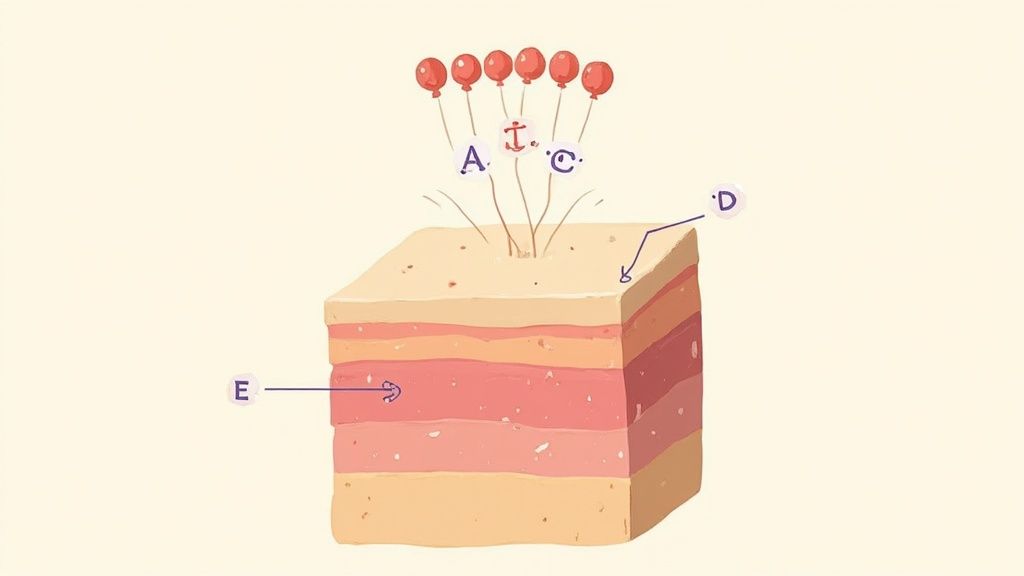
The real magic behind tallow soap isn't some complex chemical formula—it's just simple, natural compatibility. Think of it this way: your skin naturally produces an oily, waxy substance called sebum. Sebum’s job is to keep your skin hydrated and protected. As it turns out, the fatty acid profile of tallow is incredibly similar to our own sebum.
Because of this likeness, your skin doesn't see tallow as a foreign substance. It recognizes it, welcomes it, and knows exactly what to do with its nutrients. This is why tallow can moisturize so deeply without clogging pores or upsetting your skin’s delicate balance. It works with your skin's existing biology, reinforcing the natural barrier that locks moisture in and keeps irritants out.
A Familiar Structure Your Skin Recognizes
At a microscopic level, your skin barrier is built from fatty acids—specifically, lots of palmitic and stearic acid. Guess what the primary fatty acids in beef tallow are? Palmitic and stearic acid. When your skin is dry, flaky, or just plain angry, it's often because that protective barrier has been weakened and those crucial fats are depleted.
Using a tallow soap helps put those essential building blocks right back where they belong. This is a complete one-eighty from most commercial soaps, which are often harsh detergents that strip away all your oils, good and bad, leaving your skin feeling tight and exposed. Tallow cleanses gently while delivering nourishment, which is a game-changer for anyone dealing with eczema or persistent dryness.
Tallow’s molecular makeup is a near-perfect match for our skin’s natural oils. This makes it an incredibly effective moisturizer that absorbs easily and supports the skin’s barrier function without causing irritation.
By reinforcing this cellular structure, tallow helps your skin stay supple, resilient, and better prepared to face a world full of environmental stressors.
More Than Just a Moisturizer: A Vitamin Powerhouse
Beyond its perfect fatty acid profile, grass-fed tallow comes loaded with fat-soluble vitamins that are absolutely vital for healthy skin. When you use a tallow soap, these vitamins are delivered directly to your skin, offering targeted benefits right where you need them.
A bar of high-quality tallow soap is like a multivitamin for your skin, delivering:
- Vitamin A: Helps encourage healthy skin cell turnover, keeping skin firm and promoting its natural regeneration.
- Vitamin D: Plays a huge part in skin cell growth and repair. It also has properties that can help soothe inflammation.
- Vitamin E: A potent antioxidant that helps defend skin cells from the damage caused by free radicals and everyday pollutants.
- Vitamin K: Known for its role in skin healing, it can help support overall cellular health for better skin tone and texture.
This incredible nutrient density is why so many people finally find relief for their irritated skin after making the switch. Want to go deeper? We cover this in much more detail when you unlock the full spectrum of beef tallow benefits for skin in our guide.
Tallow soap doesn't just clean your skin—it feeds it. By providing both the structural fats and the essential vitamins it craves, it helps your skin return to a state of healthy, hydrated balance. It’s a simple, time-tested way to care for your body's largest organ.
When you glance at the back of most skincare products, the ingredient list can look like a foreign language. It's a long, confusing jumble of chemicals you can't pronounce. That’s where tallow bar soap flips the script. Its power doesn’t come from a complicated formula, but from radical simplicity.
This isn’t about stripping things down just for the sake of it. It’s about being intentional. A well-made tallow soap proves that you only need a handful of high-quality, purposeful ingredients to get incredible results for your skin. There are no fillers, no synthetic fragrances, and none of those harsh detergents that make your skin feel “squeaky” but are actually stripping away its natural oils. You’re left with pure, concentrated nourishment that works with your skin, not against it.
The Star of the Show: Grass-Fed Tallow
The heart and soul of any great tallow soap is, of course, the tallow itself. But not all tallow is created equal. The difference between standard tallow and grass-fed tallow is night and day, and it all comes down to the animal’s diet.
What a cow eats directly impacts the nutritional quality of its fat. Tallow from cattle raised on their natural diet of grass is packed with a higher concentration of skin-loving fatty acids and essential fat-soluble vitamins—think A, D, E, and K. This nutrient-dense profile means the soap doesn't just clean your skin; it actively feeds it. Using grass-fed tallow elevates a simple bar of soap into a genuine skincare treatment.
It's like comparing a vibrant, sun-ripened tomato from a local garden to a pale, flavorless one from a mega-farm. They’re both tomatoes, but one is bursting with life and nutrients. That's the difference grass-fed quality makes for your skin.
The Supporting Cast: Olive Oil and Beeswax
While grass-fed tallow takes the lead, a couple of other natural ingredients are brought in to perfect the final bar. They aren't fillers; they're key players that enhance the soap's texture, longevity, and moisturizing feel.
-
Organic Olive Oil: A true classic in skincare, olive oil is famous for its incredible moisturizing properties. Adding it to the soap creates a creamier, more conditioning lather. It works beautifully alongside the tallow, adding another layer of hydration that helps your skin feel soft and nourished, never tight or stripped.
-
Beeswax: A little bit of beeswax goes a long way. Its main job is to make the bar harder and denser, so it won’t dissolve into a mushy mess in your shower. This simple addition means your tallow bar soap lasts much, much longer than a typical commercial soap, giving you more value from every bar. As a bonus, beeswax forms a light, breathable barrier on the skin to help seal in moisture.
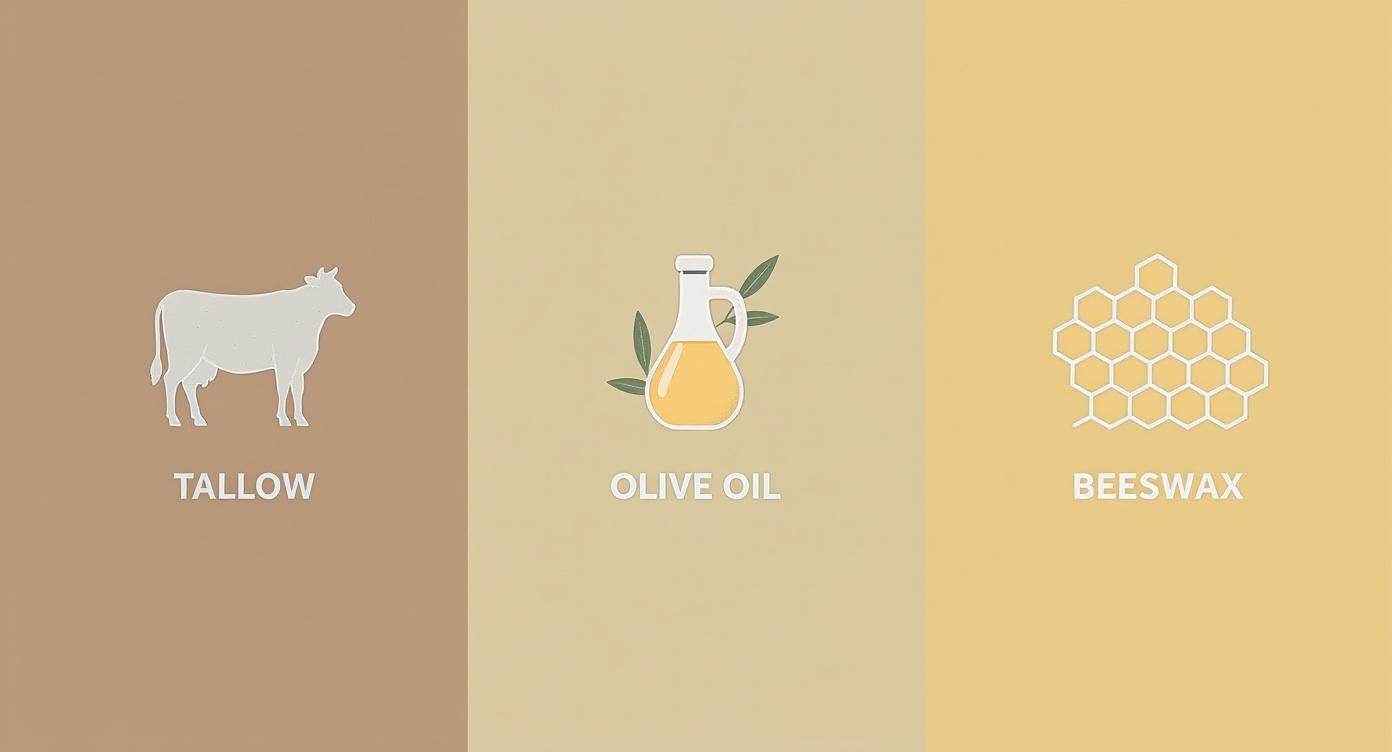
These three ingredients—tallow, olive oil, and beeswax—come together to create something truly special. It’s an honest, effective bar of soap that cleans, nourishes, and protects your skin without a single synthetic chemical in sight.
Comparing Tallow Soap to Commercial Alternatives
Walk down the soap aisle in any store, and you're hit with a wall of options. The packaging is bright, and the promises are big—"deep hydration," "silky smooth," "24-hour moisture." But what's really inside those bottles and boxes? And how does it stack up against a traditional tallow bar soap?
The difference isn't just about pretty labels; it’s about the very foundation of what makes them work, and more importantly, how they treat your skin.
The Problem with Most "Soaps"
Here's a little secret from the skincare world: most commercial soaps and body washes aren't actually soap. They're synthetic detergents.
To get that big, bubbly lather we've all been taught to associate with being clean, manufacturers often use harsh chemicals like sulfates (think SLS and SLES). These detergents are fantastic at stripping away dirt and grime, but they don't know when to stop. They also strip away your skin's natural, protective oils, leaving your moisture barrier compromised.
That tight, dry, and itchy feeling you get after a shower? That’s often your skin telling you its defenses have been washed down the drain.
Natural Fats vs. Synthetic Suds
Tallow soap works from a completely different philosophy. It cleanses with your skin, not against it. Because it's made from rendered animal fat, its fatty acid profile is incredibly similar to the lipids in our own skin. This bio-compatibility is the magic behind it all.
Instead of stripping your skin's barrier, it gently cleanses while helping to replenish and support it. It’s like giving your skin a helping hand, not a chemical bath.
- Commercial Soaps Often Rely On: A long list of synthetic detergents, artificial fragrances, parabens, phthalates, and harsh preservatives. For anyone with sensitive skin, eczema, or allergies, this list can be a minefield of potential triggers.
- Our Tallow Bar Soap Contains: Saponified grass-fed tallow, olive oil, and beeswax. That's it. This radical simplicity means you know exactly what you're putting on your skin, drastically reducing the risk of irritation.
The focus is on just a few powerful, recognizable ingredients working together.
This back-to-basics approach is a game-changer for troubled skin.
Tallow Soap vs Commercial Soap a Head-to-Head Comparison
To make it even clearer, let's put them side-by-side. This table breaks down the core differences between a true tallow soap and the detergent bars or body washes that dominate the market.
| Feature | Tallow Bar Soap | Commercial Soap / Body Wash |
|---|---|---|
| Cleansing Agent | Saponified natural fats (tallow) | Synthetic detergents (sulfates, etc.) |
| Moisturizing | Naturally high in glycerin; reinforces skin barrier | Strips natural oils; may contain synthetic moisturizers |
| Lather | Creamy, low-to-moderate lather | Often produces very high, bubbly foam |
| Ingredients List | Short, simple, and recognizable | Long list of complex chemicals |
| Skin Compatibility | High; bio-compatible with skin's natural lipids | Can be harsh and irritating, especially for sensitive skin |
| Scent | Natural, mild scent or scented with essential oils | Typically uses synthetic, artificial fragrances |
Seeing them laid out like this really highlights the fundamental divide: one is about nourishing and protecting, while the other is often about stripping things away.
A Gentler, More Sustainable Clean
Don't be fooled by a mountain of foam. A big lather doesn't equal a better clean. Research has shown that tallow soap provides a gentle yet highly effective cleanse.
One study analyzing tallow soap found it had a Total Fatty Matter (TFM) content of 67.5% and a pH of around 9.67. These numbers confirm its quality as a true soap with excellent cleansing ability and a mildness suitable for skin. It hits a sweet spot that industrial soaps often miss. You can dig into the full findings on tallow soap quality yourself.
There’s also a bigger picture to consider. Using tallow is a nod to the traditional, nose-to-tail wisdom of our ancestors. It takes a byproduct of the meat industry that might otherwise be discarded and transforms it into a premium skincare product.
Many synthetic detergents, on the other hand, rely on petroleum-based ingredients and energy-intensive manufacturing. Choosing tallow soap is a small but powerful step toward a cleansing routine that's better for your skin, your family, and the planet.
How to Choose the Right Tallow Soap
https://www.youtube.com/embed/Q4w5lSTIFJQ
Walking through the natural skincare aisle can feel like a maze, but picking a great tallow soap is actually pretty straightforward. It really just boils down to a few core things: where the ingredients come from, how the soap is made, and whether you can trust the company behind it. Once you know the basics, you'll be able to spot the good stuff easily.
The very first thing to look at is the tallow itself. For a truly top-tier bar, 100% grass-fed tallow is non-negotiable. This is what gives you that rich concentration of skin-loving vitamins and fatty acids that really calm and heal unhappy skin. Any brand worth its salt will be upfront and proud about this.
Next, give the full ingredient list a once-over. The best tallow soaps keep it simple. Wild Tallow Skincare, for instance, uses just three foundational ingredients: saponified grass-fed tallow, organic olive oil, and beeswax. This kind of minimalist approach ditches the unnecessary fillers, artificial scents, and harsh chemicals, which means less chance of a reaction and more room for the hero ingredients to shine.
Look for Craftsmanship and Purity
Beyond the list of ingredients, the way the soap is actually made makes a huge difference. "Small-batch" isn't just a marketing buzzword; it’s a genuine sign of quality control. When a company makes its products by hand, you can bet each bar of soap is getting the attention it needs to be perfect.
This hands-on method is becoming more important as tallow gets popular. The global market for tallow fatty acids—the stuff that makes soap, soap—was valued at roughly USD 3.1 billion in 2025 and is only expected to grow. When demand surges like that, big-factory production often cuts corners. For more on this, you can find insights about the tallow fatty acids market on Coherent Market Insights.
A small-batch process gives the maker total control over every step, from rendering the tallow to curing the finished bars. This preserves all the delicate nutrients that make grass-fed tallow soap so amazing for sensitive skin.
Trust and Transparency Matter
Finally, take a look at the brand itself. A company that truly believes in its products will make you feel confident in your purchase. I always recommend looking for U.S.-based brands, as they tend to follow stricter quality guidelines and offer more reliable shipping. A solid satisfaction guarantee is another great sign—it shows the company is sure you’ll be happy.
When a brand like Wild Tallow Skincare ticks all these boxes—premium grass-fed tallow, a simple three-ingredient recipe, and a real commitment to its customers—you know you're getting more than just a bar of soap. You're getting a product made with your skin's well-being as the number one goal. To see what makes this kind of soap so special, take a look at our complete guide on the benefits of grass-fed tallow soap.
Answering Your Questions About Tallow Soap
It’s completely normal to have questions when you’re thinking about trying something new for your skin. And when it comes to something as time-tested as tallow soap, a little curiosity is a great thing. Let's walk through some of the most common questions people have so you can feel confident in your choice.
The first question I always hear is, "Is it going to smell like beef?" It's a totally fair question, but the answer is a simple and definite no. The magic happens during a process called saponification—the chemical reaction that turns oils and fats into soap. This process completely transforms the tallow, neutralizing any meaty scent.
What you're left with is a very mild, clean, and neutral aroma. A good, pure tallow soap just smells like soap, not last night's dinner. This makes it a perfect starting point for adding pure essential oils or for anyone who just wants a simple, unscented bar.
Can I Use It on My Face? What About My Hair?
Yes, you absolutely can. The very things that make tallow soap so wonderful for your body also make it a fantastic facial cleanser. Its fatty acid makeup is incredibly similar to our skin's own natural oils (sebum), which means it cleanses away dirt without stripping your skin of the moisture it needs to stay balanced. Many people find it leaves their face feeling soft and calm, never tight or dry.
Using tallow soap on your hair as a "shampoo bar" is also a great, plastic-free option.
- For your hair: It does a great job of cleaning your scalp and hair. Some people notice a short adjustment period as their hair gets used to washing without harsh detergents.
- A helpful tip: If you have hard water, you might want to follow up with a diluted apple cider vinegar rinse. This helps restore your hair's pH balance and gives it a nice, healthy shine.
How Do I Make the Bar Last as Long as Possible?
One of the best things about tallow soap is that it’s a naturally hard bar. It’s not like those soft, plant-based soaps that can melt into a mushy mess in the shower. This density means it’s already long-lasting, but a little care goes a long way.
The golden rule is to let it dry out completely between uses. A bar of soap sitting in a puddle is a fast track to a dissolved bar, no matter what it's made of.
The single best way to make your tallow soap last is to keep it on a draining soap dish. You want one that lets air circulate all the way around the bar. Taking this one simple step can easily double the life of your soap, making it an even better value.
Is Tallow Soap Safe for My Whole Family?
Absolutely. This is where a simple, three-ingredient soap really shines. Because it contains no synthetic fragrances, harsh detergents, or mystery additives, it’s one of the mildest cleansers you can find. It's gentle enough for everyone, from babies to grandparents.
Its soothing, moisturizing nature makes it especially perfect for the delicate skin of children or anyone with sensitivities. It’s a true one-and-done solution for the whole family.
Ready to feel the difference for yourself? The Wild Tallow Skincare Grass-Fed Tallow Soap is made by hand in the USA with just three pure ingredients. It’s the perfect, gentle choice for sensitive, dry, and reactive skin. Shop our tallow soap today.