

The key to stopping itchy, dry skin is a two-pronged attack. First, you need to calm the immediate irritation with things like cool compresses and a seriously good moisturizer. At the same time, you have to build a consistent daily routine that focuses on gentle cleansing and deep hydration to repair your skin's protective barrier. This approach tackles both the symptom (that maddening itch) and the root cause (moisture loss), setting you up for lasting relief.
Why Your Skin Is Chronically Itchy and Dry
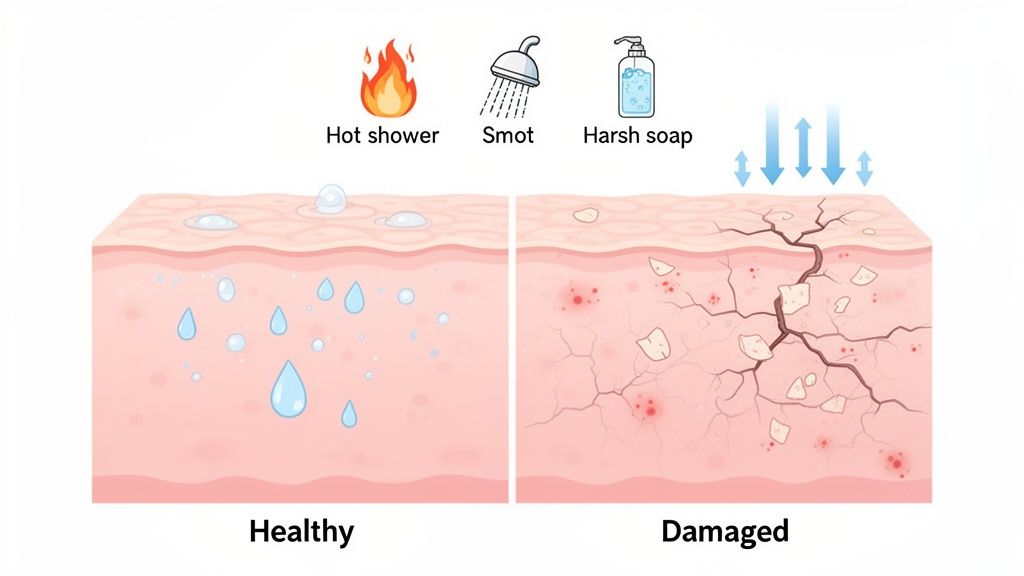
Before you can fix the problem, you have to understand what’s actually going on. Think of your skin’s outermost layer as a well-built brick wall. This “skin barrier” is designed to do two crucial jobs: keep moisture locked in and keep irritants locked out. When it’s working right, your skin feels soft, hydrated, and comfortable.
But when that barrier gets damaged, tiny, invisible cracks start to form in the wall. This is where the trouble starts. Precious moisture escapes through these gaps, and environmental irritants like allergens and bacteria can sneak in. This intrusion triggers inflammation, dryness, and that relentless itch. It’s not just a surface issue; it’s a breakdown of your skin’s most basic defense system.
Unpacking the Common Causes
A whole host of factors, both in your environment and in your daily habits, can weaken this vital protective layer. Pinpointing your specific triggers is the first real step toward finding relief.
Most often, the culprits are things you encounter every day:
- Your Environment: Low humidity, especially during winter or in dry climates, literally sucks moisture right out of your skin. A biting cold wind or too much sun exposure can also strip away your skin's natural, protective oils.
- Your Daily Habits: We all love a long, hot shower, but it’s one of the biggest enemies of a healthy skin barrier. The combination of hot water and harsh soap dissolves the lipids (the natural fats) on your skin, leaving it exposed and vulnerable.
- Harsh Skincare Products: Look at the ingredient list on your soap and lotion. Many are packed with fragrances, alcohols, and sulfates that can be incredibly irritating, stripping your skin and making the problem worse.
- Genetics and Health: For some, it's just in their DNA. Conditions like eczema (atopic dermatitis) or psoriasis are characterized by a chronically impaired skin barrier, making them more susceptible to dryness and itching.
Key Insight: Identifying your triggers is empowering. It shifts your mindset from just chasing the itch to proactively creating an environment—both on your skin and in your home—that actually promotes healing and strength.
A Widespread and Shared Experience
If you're dealing with how to stop itchy dry skin, you are in very good company. This is an incredibly common issue that affects a huge portion of the population, no matter their age or where they live. Population studies show that somewhere between 40% and 60% of people describe their skin as dry, sensitive, or irritated.
In one massive survey of over 50,000 people worldwide, nearly 40% said they had experienced an itch in the last week alone. And conditions like atopic dermatitis, a primary driver of chronic itch, affect up to 20% of children and 10% of adults globally. The numbers don't lie—this is a shared struggle. You can dig into the global skin health statistics and see the full data for yourself.
The Role of Your Skin Barrier
Everything comes back to the skin barrier. When it's healthy, it maintains a perfect state of balance, or homeostasis. The lipids, ceramides, and fatty acids within it all work together to lock water in and shield the deeper layers of your skin.
But when that balance gets thrown off by the triggers we talked about, the skin goes into crisis mode. It can no longer hold onto hydration, which leads to all the classic signs of dryness: flaking, tightness, and a dull look. The itch is your body’s alarm system, frantically signaling that the barrier has been breached and is inflamed.
Your goal isn't just to silence the alarm—it's to repair the breach causing it to go off. By understanding these root causes, you can make targeted changes that restore your skin's health from the inside out.
Your Immediate Relief Toolkit for Itch Attacks
When a sudden, intense itch attack hits, that primal urge to scratch is overwhelming. It feels like the only thing that will help, but giving in is the worst move you can make. Scratching literally tears at your already fragile skin barrier, kicking off an inflammatory response and locking you into a vicious itch-scratch cycle that’s incredibly hard to break.
The goal is to have a game plan ready before the itch even starts.
Instead of digging in with your fingernails, try something else. Gently but firmly press the palm of your hand onto the itchy spot for a few moments. You could also try lightly tapping or even pinching the skin. These simple tricks can disrupt the itch signals firing off to your brain, giving you relief without the damage.
Cool It Down Immediately
One of the quickest ways to shut down an itch is with cold. A cool temperature helps numb the nerve endings, providing almost instant relief from that maddening sensation. It also helps constrict the blood vessels in the area, which tamps down the inflammation and redness that often come with a flare-up.
You don't need any special equipment for this. A few household items work perfectly:
- A Cool, Damp Cloth: Just grab a clean washcloth, run it under cool water, wring it out, and hold it on the itchy spot for 15 to 20 minutes.
- An Ice Pack: Wrap an ice pack or even a bag of frozen peas in a light towel (never put ice directly on your skin!) and apply it.
- A "Skin Icing" Tool: If you happen to have a chilled jade roller or facial globe, it can offer some really nice, targeted relief, especially for smaller patches on the face or neck.
Remember this simple rule: Heat inflames, and cool calms. When your skin is screaming for relief, always reach for something cool to the touch.
Apply a Protective Barrier
Once you've cooled the area down, your next move is to lock in that calm with a thick, high-quality moisturizer. This step is a double-win: it soothes the skin on contact and creates a protective shield to lock in moisture and keep irritants out.
A weakened skin barrier is almost always a dehydrated one. If you want to dive deeper into this, you can learn more about how to fix dehydrated skin to understand that crucial connection.
For immediate relief, reach for a cream that’s rich in healthy fats and has a clean, simple ingredient list. A nutrient-dense whipped tallow cream is fantastic for this because its fatty acid profile is incredibly similar to our own skin's lipids. It sinks in beautifully, providing deep comfort without a heavy, greasy feeling.
Gently smooth a generous layer over the area. The physical act of applying it is soothing, and the cream itself creates a barrier that can make the skin feel less "itchy" right away. This simple one-two punch of cooling then moisturizing is your best defense against an unexpected flare-up, giving your skin a fighting chance to calm down and start healing.
Building Your Daily Anti-Itch Skincare Routine
Lasting relief from itchy, dry skin isn’t about a magic bullet; it’s about building a smart, consistent daily routine. While quick fixes can help during a flare-up, a dedicated daily practice is what creates a strong, resilient skin barrier that’s less likely to get irritated in the first place.
Think of it less as just adding moisture and more as creating a system that helps your skin hold onto its own hydration. This all comes down to a few key habits: gentle cleansing, smart moisturizing, and knowing how to adapt when your skin’s needs change.
Start with a Smarter Shower
So many of us unknowingly kickstart our day by stripping our skin of its natural, protective oils. The main offender? A long, piping-hot shower. It might feel incredible, but that hot water is also incredibly good at dissolving the lipids that keep your skin barrier intact, leaving it exposed and thirsty.
The fix is simple but powerful: switch to short, lukewarm showers. Aim for just five to ten minutes in water that feels comfortable, not scalding. This one small adjustment can make a massive difference in how much moisture your skin retains.
What you wash with is just as important. Ditch the heavily scented, foamy body washes that are often packed with irritants like fragrances and sulfates. Instead, opt for a gentle, creamy cleanser or a simple tallow-based soap that cleans without disrupting your skin's delicate balance.
When an itch attack does strike, the goal is to calm it down without causing more damage.
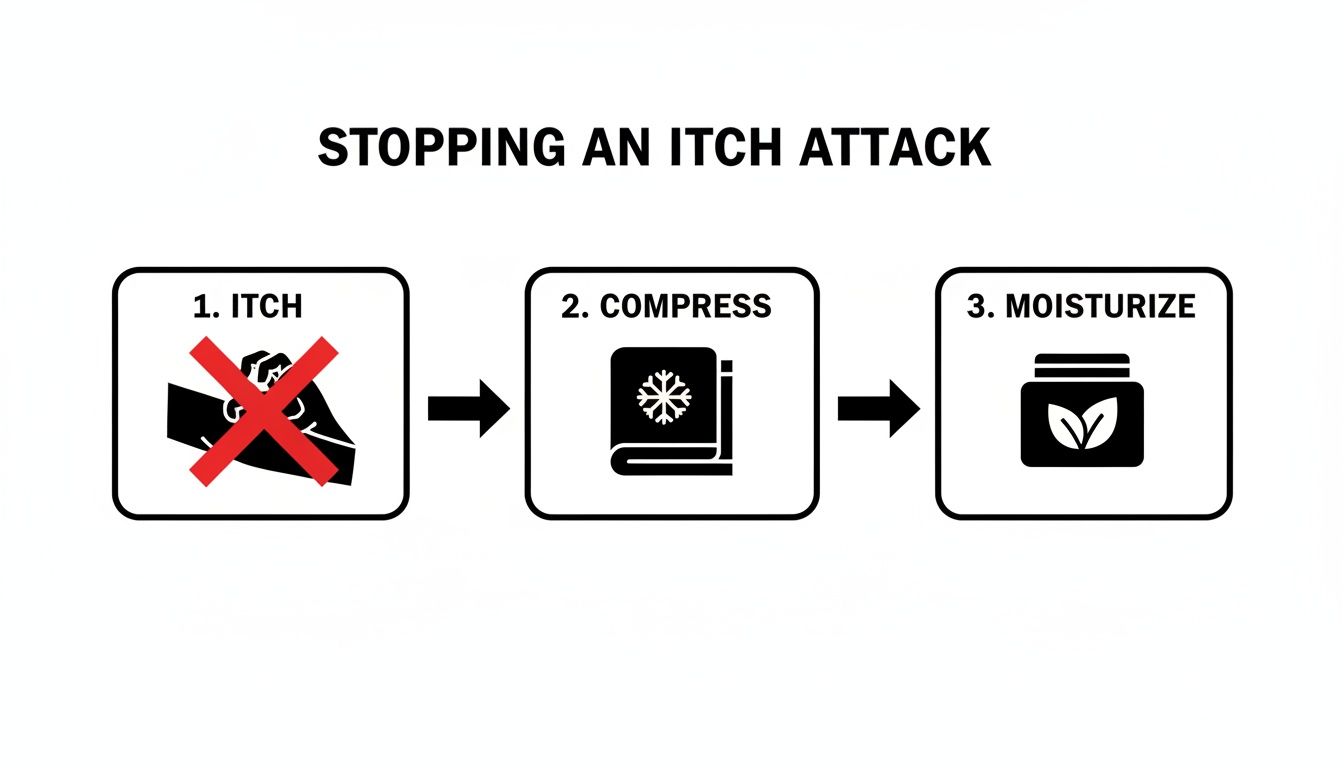
This simple flowchart is a great reminder: after fighting the urge to scratch and using something cool to take the heat out, moisturizing is the essential final step to soothe and protect.
Master the Soak and Seal Method
If you take away just one technique from this guide, make it the “soak and seal” method. It’s hands-down the most effective way to lock in hydration, and it’s incredibly simple. All you do is apply your moisturizer to damp skin right after you get out of the shower or bath.
Pro Tip: Time is of the essence. You have a tiny window—about three minutes—after patting your skin dry before evaporation really kicks into high gear. Moisturizing within this window traps that surface water and pulls it into your skin.
So, after your lukewarm shower, gently pat yourself down with a soft towel, but leave your skin feeling slightly damp. Immediately, and generously, apply your moisturizer. A rich, nourishing cream like a whipped tallow cream is perfect here. Because its fatty acid profile is so similar to our own skin’s sebum, it absorbs beautifully and forms a breathable barrier that seals in all that precious moisture.
This isn’t just a nice idea; it’s a cornerstone of dermatologist-recommended care for a reason. Regimens that combine gentle cleansing with immediate, post-bathing moisturizing are proven to work. It's a fundamental part of learning how to repair a damaged skin barrier.
Make Moisturizing a Consistent Habit
For skin that’s chronically dry and itchy, how often should you be moisturizing? The short answer: at least twice a day. Applying once in the morning after your shower and again right before bed creates a continuous layer of protection.
And don’t be shy about reapplying during the day to high-friction or frequently washed areas like your hands, elbows, and knees.
Consistency is everything. When you make moisturizing a non-negotiable daily habit, you’re actively training your skin barrier to become stronger and better at staying hydrated on its own. The results speak for themselves. In adults, this simple routine can lead to significant reductions in itchiness within just a few weeks. For babies, some studies have shown daily moisturizing from birth can slash the risk of developing atopic dermatitis by 20% to 50% in their first year. You can read more about these eczema care findings on NationalEczema.org.
Adapt Your Routine as Needed
Your skin isn’t the same every day of the year. Its needs shift with the seasons, your environment, and especially during a flare-up. Getting good at reading your skin and adjusting your routine is the key to staying comfortable long-term.
Here are a few ways to tweak your approach:
- In Winter: Cold, dry air is public enemy number one for dry skin. You’ll likely need to switch to a thicker, heavier cream and apply it more often, especially on skin that's exposed to the elements.
- In Summer: Even with higher humidity, things like sun, chlorine, and air conditioning can still be incredibly drying. A lighter-weight moisturizer might feel more comfortable, but don't even think about skipping it.
- During Flare-Ups: When your skin is angry, red, and itchy, go back to basics. Stick with your simplest, most trusted products and dial up the frequency. You might need to moisturize three or four times a day to keep the skin calm, hydrated, and protected while it heals.
By building this routine, you’re moving from constantly reacting to flare-ups to proactively managing your skin’s health day in and day out. It’s how you empower yourself to stop the itch before it even starts.
Fine-Tuning Your Environment for Happier Skin
While your daily skincare routine is your first line of defense, the environment you live in plays a massive role in your skin's health. You can have the best moisturizer in the world, but if your home is actively working against you, it’s an uphill battle.
Turning your living space into a skin-friendly sanctuary involves a few simple, yet powerful, adjustments to your habits and surroundings. These changes go beyond skincare, tackling the environmental triggers that can compromise your skin barrier and lead to that maddening itch. From the air you breathe to the clothes you wear, every element matters.
Take Control of Your Indoor Climate
One of the biggest culprits behind dry, itchy skin, especially in winter, is low indoor humidity. When you crank up the heat, the air inside your home becomes incredibly dry, and it starts pulling moisture from wherever it can find it—including your skin. This constant moisture loss leaves you feeling tight, flaky, and intensely itchy.
The fix is surprisingly simple: use a humidifier. These little machines add much-needed moisture back into the air, helping to keep your skin hydrated from the outside in.
- Aim for the Sweet Spot: You don't want your home to feel like a jungle. The ideal indoor humidity level for comfortable skin is between 30% and 50%.
- Keep It Clean: A dirty humidifier can do more harm than good. Make sure to clean it regularly according to the manufacturer's instructions to prevent mold and bacteria from being spewed into the air.
Since dry air is such a common trigger for itchiness, it’s a good idea to determine if you need a humidifier for your space. It's not just a feeling; the science backs this up. Studies have shown that dry skin symptoms and itchiness climb significantly during colder, lower-humidity months. And the good news is that simple environmental tweaks, like increasing indoor humidity, are proven to help. Many people notice a real difference within just a few weeks.
Dress for Comfort, Not for Itchiness
What you put on your body can either soothe your skin or send you into a full-blown scratching frenzy. Certain fabrics are notorious for irritating sensitive, dry skin, while others feel like a gentle hug.
Think of your clothing as a second skin. You want it to be soft, non-abrasive, and allow for proper airflow.
My simple wardrobe rule: Choose natural, breathable fibers whenever possible. Your skin will absolutely thank you for it.
Here’s a quick rundown on what to wear and what to avoid:
| Fabric Type | Best Choices | Fabrics to Limit or Avoid |
|---|---|---|
| Why It Works | Cotton, silk, and bamboo are soft, smooth fibers that let air circulate, preventing overheating and irritation. | Wool can be scratchy and prickly, while synthetics like polyester and nylon trap heat and moisture, a perfect recipe for an itch. |
| When to Wear | Perfect for everyday wear, pajamas, and as a base layer under rougher clothing to create a protective barrier. | Save these for outer layers or short-term wear, and try to avoid them having direct, prolonged contact with your skin. |
Here's another pro tip: always wash new clothes before wearing them. This helps remove any residual dyes or finishing chemicals that could cause an unexpected reaction.
Support Your Skin from the Inside Out
True skin health is an inside job. What you eat and drink directly impacts your skin’s ability to stay hydrated and defend itself against the outside world.
Hydration is Non-Negotiable
Drinking enough water is fundamental. When you’re dehydrated internally, it shows on the outside as dry, dull, and tight-feeling skin. While everyone's needs are different, aiming for around eight glasses of water a day is a great place to start.
Eat for a Stronger Skin Barrier
Your diet provides the essential building blocks for healthy skin. Try to focus on incorporating foods rich in:
- Healthy Fats: Omega-3 fatty acids are incredible for skin. You can find them in fatty fish (like salmon), walnuts, and flaxseeds. They are powerful anti-inflammatories that help keep skin supple and calm.
- Antioxidants: Berries, leafy greens, and colorful veggies are packed with vitamins that protect your skin from environmental stress.
- Vitamins A, C, and E: These are crucial for skin repair and collagen production. Look for them in foods like sweet potatoes, citrus fruits, and almonds.
For more ideas on how to nourish your skin through your diet, check out our guide to natural remedies for dry skin. Making these small, consistent changes to your home and lifestyle provides powerful support for your daily skincare efforts, creating a holistic approach to finally stopping that itchy, dry skin for good.
How to Apply Moisturizers for Maximum Benefit
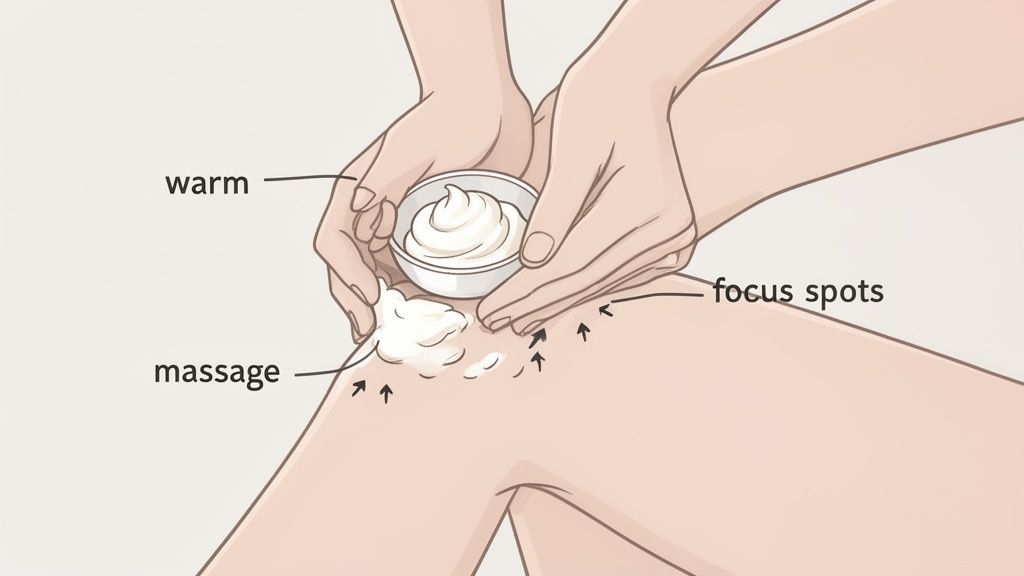
Owning the best moisturizer is only half the battle. If you're not applying it correctly, you're missing out on most of its power to calm that awful itchy, dry feeling. It’s not just about what you use, but truly about how and when you use it. Mastering a few simple application tricks can dramatically improve how well the product works, turning it from just another cream into your skin's best friend.
The most important rule? Moisturize on damp skin. There’s a reason you hear this advice everywhere—it works. Applying cream right after a bath or shower traps that surface moisture, pulling hydration deep into your skin before it has a chance to evaporate. Try to get your moisturizer on within three minutes of gently patting yourself dry.
Think of this as your golden window of opportunity to lock in moisture and build a lasting barrier against dryness.
The Right Technique for Rich Creams
Thicker, richer moisturizers—like a nutrient-dense tallow cream—need a different approach than a thin, watery lotion. If you just slather it on cold, it can feel heavy and just sit on top of your skin instead of sinking in. A little prep work makes a world of difference.
Here’s a simple process I swear by:
- Warm It Up: Scoop just a small, dime-sized amount into your palm. It’s always better to start with less and add more if you need it.
- Melt and Spread: Gently rub your hands together. You’ll feel the cream soften as your body heat melts the natural fats, making it far more spreadable and ready to be absorbed.
- Massage, Don't Rub: Instead of rubbing back and forth, use gentle, upward circular motions to massage the cream into your skin. This not only feels great but also helps stimulate circulation and ensures you get even coverage.
Key Takeaway: Warming a rich cream in your hands before you put it on is a total game-changer. It transforms the texture from a solid balm into a silky, easily absorbed oil, allowing it to penetrate deeper for much more effective relief.
Targeting Your Driest Spots
While you should moisturize everywhere, some spots are always thirstier than others and need extra attention. These high-friction areas tend to have fewer oil glands, making them prone to cracking, flaking, and general roughness. For a reliable daily moisturizer, look for ingredients like hyaluronic acid and ceramides. A well-known option like Cerave Moisturizing Cream is specifically formulated to tackle these issues.
Always give a little extra love to these key areas:
- Elbows and Knees: These joints are constantly moving, so the skin needs serious hydration to stay flexible and smooth.
- Hands and Cuticles: We wash our hands constantly, stripping away their natural oils. Get into the habit of moisturizing after every wash, and don't forget your cuticles to prevent painful hangnails.
- Heels and Feet: The skin on our feet is tough for a reason. Applying a thick cream and then slipping on a pair of cotton socks before bed can work wonders overnight.
Layering Without the Greasy Feel
If you’re using more than one product, like a serum or medicated ointment, the order you apply them in really matters. The general rule is to go from thinnest to thickest. This allows the lighter products to absorb into the skin first without being blocked.
Your moisturizer should almost always be your last step (before sunscreen, of course). It acts as a sealant, locking in any products you applied beforehand while forming a protective shield over your skin. By applying a warmed cream in a thin, even layer, you get all the benefits without that heavy, greasy feeling. All that’s left is comfortable, hydrated, and calm skin.
When It’s Time to See a Doctor for Itchy Skin
Most of the time, you can get dry, itchy skin under control with a good routine and the right products. But sometimes, your skin sends out an SOS signal that you shouldn't ignore. Knowing when to stop the DIY approach and call in a professional—like your doctor or a dermatologist—is key.
Listening to your body is crucial here. If the itch is more than just a passing annoyance, it might be a sign of something more than simple dryness, and getting a proper diagnosis is the first step toward real relief.
The Itch Just Won't Quit
Let's be realistic: if you’ve been sticking to a gentle skincare routine for a few weeks and things aren't getting any better, it's time to make a call. A solid at-home plan should bring at least some noticeable improvement. If it’s not, a professional eye can figure out what's really going on.
The biggest red flag? When the itch starts running your life. If you're dealing with an itch so intense that it disrupts your sleep or makes it impossible to concentrate during the day, that’s not something you should just "put up with."
When an itch stops being a minor inconvenience and starts messing with your sleep, work, or mental well-being, it has officially become a medical issue.
Clear Signs of Trouble
Take a close look at your skin. A healthy skin barrier is your body's best defender, but when it's seriously compromised, it opens the door to infection.
Be on the lookout for these specific warning signs:
- It’s Painful: Your skin shouldn't just be itchy; if it's also painful, tender, or has a burning sensation, that's a problem.
- Signs of Infection: See any weeping, oozing, or honey-colored crusts forming? Those are classic signs of a bacterial infection that needs medical attention.
- It’s Spreading: If a small itchy patch suddenly turns into a widespread rash, don't wait.
One more critical reason to see a doctor is if you have a persistent itch without any visible rash or bumps. Sometimes, an all-over itch can be a symptom of an underlying internal condition. It’s always best to get it checked out to rule out anything more serious. Don't hesitate—getting professional help is the quickest way to find a solution that actually works.
Answering Your Top Questions About Itchy, Dry Skin
Once you start dialing in a routine, a few common questions always seem to pop up. Getting straight answers is the key to sticking with it and feeling good about the products you're using. Let’s tackle some of the ones we hear most often.
Why Is My Skin So Much Itchier at Night?
If you feel like the itch goes into overdrive the second you lie down, you’re not going crazy. There's a real biological reason for it, often called nocturnal pruritus.
A few things are happening here. First, your body’s natural 24-hour cycle (your circadian rhythm) is at play. In the evening, your body produces less of the anti-inflammatory hormone cortisol, while at the same time, it releases more substances that can trigger itchiness. It's a perfect storm for discomfort.
On top of that, your skin loses more moisture overnight through a process called transepidermal water loss. This leaves your skin barrier feeling parched and vulnerable. And honestly, with fewer distractions at night, that nagging itch just becomes much harder to ignore.
A simple but effective trick is to slather on a thick, protective moisturizer right before you hop into bed. Keeping your bedroom on the cooler side can also make a huge difference.
Can I Really Use Tallow Cream on My Face?
Absolutely. For most people, a high-quality, grass-fed tallow cream can be a fantastic and surprisingly gentle choice for the delicate skin on your face. The secret is in its chemical makeup, which is incredibly similar to the natural oils our own skin produces (sebum).
Because your skin recognizes it, tallow absorbs beautifully without that heavy, greasy feeling that can lead to clogged pores. It delivers a deep dose of nourishment that helps fortify your skin's natural barrier.
- When you're shopping, look for a product with a short, simple ingredient list.
- Always, always opt for fragrance-free versions for your face.
- Just like with any new skincare, do a quick patch test on your jawline first to see how your skin likes it.
A Little Insider Knowledge: The biocompatibility of tallow is what makes it feel so right. It's packed with the same kinds of fatty acids and vitamins (A, D, E, and K) that your skin naturally uses to repair itself, making it one of the most intuitive moisturizers you can find.
How Long Does It Actually Take to See a Difference?
This is where consistency really pays off. While a good moisturizer can offer some immediate relief from that tight, scratchy feeling, true healing takes a bit of time.
You should start to feel a noticeable drop in itchiness and see less flakiness within the first one to two weeks of being really consistent with your new routine.
But for the big prize—a fully repaired skin barrier—you’ll want to give it at least four to six weeks. That gives your skin enough time to go through a full regeneration cycle, allowing the deeper layers to heal and for you to lock in those long-term benefits.
At Wild Tallow Skincare, we're all about harnessing simple, powerful ingredients to bring your skin back to a place of comfort and balance. Our Whipped Tallow Cream is crafted with just three food-grade ingredients, designed to give your whole family deep, lasting moisture without the greasy feel.
Discover the gentle, effective solution for your sensitive skin at wildtallow.com